What if the simple act of enjoying pizza could connect you to centuries of cultural heritage? At Casa Fatto, we believe every slice has a story to tell. Join us as we explore the rich journey of Neapolitan pizza and the timeless traditions that make it a global favorite!
What You Will Learn
- The ancient origins of Neapolitan pizza and its evolution from simple flatbreads.
- How local ingredients define the authentic flavors of traditional pizzas.
- The socio-economic factors that transformed pizza from a working-class meal to a cultural icon.
- The significance of tomatoes in establishing the beloved pizza sauce we cherish today.
- The fascinating story behind the creation of the iconic Margherita pizza as a tribute to royalty.
- UNESCO's recognition of Neapolitan pizza as an intangible cultural heritage and its global impact.
- The ways Neapolitan pizza has adapted across the world while maintaining its core authenticity.
- The communal culture of pizza in Italy and its role in bringing people together.
The Evolution of Neapolitan Pizza: Key Milestones
This visual timeline highlights the significant historical and cultural points that shaped Neapolitan pizza into the internationally recognized culinary art form it is today. To learn more about the origins of Neapolitan pizza, read our detailed blog post.
Discovering Neapolitan Pizza: A Culinary Journey
Welcome to the heart of Italian cuisine! At Casa Fatto, we are passionate about sharing the beautiful story of Neapolitan pizza, a culinary masterpiece that has traveled through time. This journey begins with ancient flatbreads, the humble beginnings of what would eventually evolve into the beloved pizza we know today. These early iterations, originating in Naples, were simple and satisfying, often topped with local ingredients.
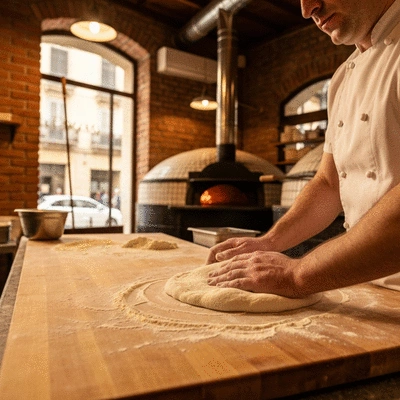
As we dive deeper into the world of pizza, it’s essential to recognize the importance of its roots. The traditional methods and flavors continue to inspire our artisan creations at Casa Fatto, setting the stage for a truly authentic dining experience!
Understanding the Rich History of Neapolitan Pizza
The history of Neapolitan pizza is rich and colorful. It has roots in ancient flatbreads that were the staples of Italian cuisine. As Naples blossomed, these flatbreads transformed, incorporating fresh ingredients and local flavors. Imagine the bustling streets of Naples, where every corner has a pizzeria, and the tantalizing aroma of baking pizza fills the air. This vibrant atmosphere laid the groundwork for the modern pizza we cherish today.
- Ancient Origins: From flatbreads to sophisticated toppings.
- Local Ingredients: The importance of fresh, high-quality produce.
- Culinary Evolution: How techniques and flavors developed over centuries.
At Casa Fatto, we honor this history by incorporating these traditions into every pizza we serve. It’s not just food; it’s a story of culture and heritage that we’re proud to share with our community!
The Cultural Impact of Naples on Pizza Traditions
Naples has always been a melting pot of cultures, and it’s this unique socio-economic landscape that significantly influenced pizza's evolution. Originally, pizza was a dish for the lower classes, made with minimal ingredients and designed to be affordable. However, as time progressed, it evolved into a symbol of pride for the Neapolitan people.
- Socio-Economic Influence: How pizza became accessible to all classes.
- Cultural Symbolism: Pizza as a representation of Neapolitan identity.
- Tradition of Sharing: The communal aspect of enjoying pizza with family and friends.
At Casa Fatto, we embrace this communal spirit, ensuring that every pizza we make invites friends and family to gather around the table, sharing in the joy of authentic Italian cuisine! Discover how the art of Neapolitan pizza dough contributes to this authentic experience.
The Crucial Moment: The Introduction of the Tomato
The introduction of tomatoes into Neapolitan cuisine marks a pivotal moment in the history of pizza. Initially feared as poisonous, tomatoes eventually became a staple ingredient, seamlessly blending into the culinary fabric of Italy.
Join me as we delve into the fascinating transformation of this vibrant fruit into a beloved topping that defines pizza today!
From Fear to Flavor: Tomatoes in Neapolitan Cuisine
Initially, when tomatoes arrived in Italy from the Americas, they were met with skepticism and fear. However, it didn’t take long for the bright red fruit to find its place in kitchens across the country. By the late 18th century, tomatoes were widely embraced, leading to the creation of the rich tomato sauce we now adore on our pizzas.
- Initial Aversion: How tomatoes were viewed as a threat.
- Adoption in Cooking: The gradual acceptance and integration into Italian dishes.
- Key Ingredient: The impact of tomatoes on the flavor profile of pizza.
At Casa Fatto, we celebrate this journey by using only the finest San Marzano tomatoes in our sauces, ensuring that every bite captures the essence of traditional Neapolitan flavor!
The Birth of the Margherita: A Tribute to Royalty
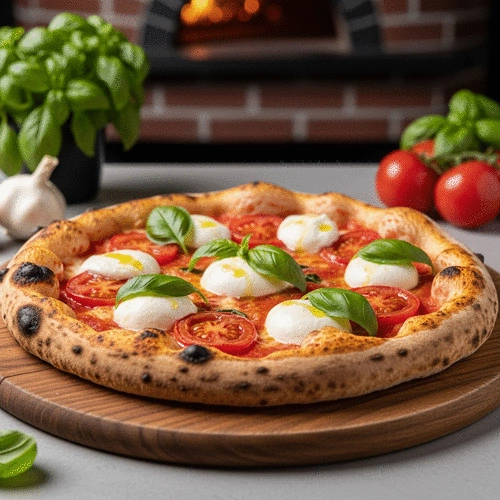
One of the most iconic pizzas, the Margherita, has a charming backstory tied to Italian royalty. Legend has it that in 1889, Raffaele Esposito created this pizza in honor of Queen Margherita of Savoy, using ingredients that represented the colors of the Italian flag: red tomatoes, white mozzarella, and green basil.
This beautiful tribute not only delighted the queen but also solidified the Margherita as a classic favorite among pizza lovers around the world!
Did You Know?
According to a recent study by the International Pizza Association, Neapolitan pizza accounts for over 30% of all pizza sales worldwide, highlighting its enduring popularity and cultural significance. Its unique preparation methods and fresh ingredients make it a favorite for pizza lovers everywhere!
Reflecting on the Global Legacy of Neapolitan Pizza
Neapolitan pizza is not just a dish; it’s a symbol of cultural heritage that transcends borders. In 2017, UNESCO recognized it as an intangible cultural heritage, highlighting its significance and the craftsmanship behind it. This recognition not only elevates the pizza’s status but also reinforces the commitment to preserving its authenticity for future generations.
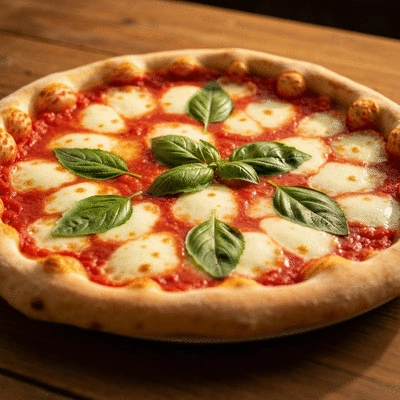
This designation has opened doors for pizza lovers worldwide, allowing them to appreciate the artistry that goes into each pie. It means that every slice you enjoy carries with it centuries of tradition and passion, reminding us all of the vibrant culture from which it hails!
The UNESCO Recognition and Its Significance
- Celebration of traditional cooking techniques
- Increased awareness of authentic ingredients
- Encouragement of sustainable practices among pizza makers
UNESCO's recognition serves as a powerful reminder of what makes Neapolitan pizza unique. It’s not just about the ingredients; it’s about the way those ingredients come together through time-honored methods. This acknowledgment also plays a crucial role in promoting tourism, inviting more people to visit Naples and experience its culinary delights firsthand.
From Naples to the World: The Global Influence of Neapolitan Pizza
As Neapolitan pizza has journeyed beyond the borders of Italy, it has retained its core authenticity while adapting to local tastes. In cities like New York, Tokyo, and Buenos Aires, you'll find pizzerias that honor the traditional methods while incorporating regional ingredients. This fusion illustrates how food can create bridges between cultures, making Neapolitan pizza a beloved culinary ambassador. For those who want to master the craft, explore our guide on how to make the perfect Neapolitan pizza at home.
- Adapting pizza styles: From deep dish to New York slices
- Incorporating local flavors and ingredients
- Maintaining traditional cooking methods even abroad
Despite these adaptations, the essence of Neapolitan pizza remains intact, showcasing the incredible versatility and enduring appeal of this classic dish. Each bite connects you to its roots, no matter where you are in the world!
Pizza Culture and Culinary Experiences in Italy
Pizza holds a cherished place in Italian food culture, acting as a focal point for gatherings and celebrations. At Casa Fatto, we embrace this culture, inviting our guests to experience pizza as it was meant to be enjoyed—fresh, shared, and savored. From local markets bustling with fresh ingredients to vibrant food festivals celebrating Italian cuisine, the pizza experience in Italy is a sensory delight!
- Exploring local markets for fresh produce and cheese
- Attending food festivals dedicated to Neapolitan pizza
- Engaging with chefs who share their culinary stories
Each of these experiences offers a unique opportunity to dive deeper into the world of pizza. And let me tell you, the stories behind the ingredients and the people who make them are as rich as the flavors themselves!
Join the Neapolitan Pizza Experience at Casa Fatto
Visit Us and Taste Tradition
If you want to experience authentic Neapolitan pizza, there’s no better place than Casa Fatto! We pride ourselves on honoring the traditional techniques that have been passed down through generations. When you step into our pizzeria, you’re not just enjoying a meal; you’re indulging in a piece of Italian heritage.
So, why not gather your loved ones, visit us, and taste the passion behind our pizzas? Each slice you enjoy brings you closer to the heart of Italy!
Engage with Our Community and Share Your Experience
At Casa Fatto, we love hearing from our community! Have you tried making your own Neapolitan pizza? Or do you have a favorite topping that you enjoy? Share your stories and experiences with us, and let’s celebrate the joy of pizza together!
Connect with us on social media, and let’s build a vibrant community around our shared love for this delicious culinary tradition. Your experiences not only enrich our community but also help keep the spirit of Neapolitan pizza alive!
Recap of Key Points
Here is a quick recap of the important points discussed in the article:
- Neapolitan pizza has ancient roots, evolving from flatbreads to the beloved dish we know today.
- The use of local, high-quality ingredients is crucial for an authentic pizza experience.
- Tomatoes were initially feared but became a key ingredient, revolutionizing pizza flavors.
- The Margherita pizza symbolizes Italian identity and was created in honor of Queen Margherita.
- UNESCO recognized Neapolitan pizza as an intangible cultural heritage, highlighting its global significance.
- Pizza serves as a focal point for communal gatherings, emphasizing the joy of sharing meals with loved ones.
Frequently Asked Questions About Neapolitan Pizza
What are the ancient origins of Neapolitan pizza?
Neapolitan pizza evolved from simple flatbreads consumed in Naples during ancient times, gradually incorporating local ingredients and developing into the culinary art form we recognize today.
How did tomatoes become a key ingredient in Neapolitan pizza?
When tomatoes first arrived in Italy from the Americas, they were initially feared as poisonous. However, by the late 18th century, they were embraced and became a staple, leading to the creation of the beloved tomato sauce that defines pizza.
What is the story behind the Margherita pizza?
The Margherita pizza was reputedly created in 1889 by pizzaiolo Raffaele Esposito in honor of Queen Margherita of Savoy. Its toppings—red tomatoes, white mozzarella, and green basil—represented the colors of the Italian flag.
Why is Neapolitan pizza recognized by UNESCO?
In 2017, UNESCO recognized Neapolitan pizza as an intangible cultural heritage due to its unique traditional cooking techniques, the craftsmanship involved, and its cultural significance. This recognition helps preserve its authenticity globally.
How has Neapolitan pizza influenced global cuisine?
Neapolitan pizza has retained its core authenticity while inspiring adaptations worldwide. Pizzerias globally adopt traditional methods while incorporating regional ingredients, showcasing its versatility and role as a culinary ambassador.