Have you ever wondered how the rich traditions of Italian pizza differ between styles? The contrasting flavors and textures of Roman and Neapolitan pizzas not only tell a story of regional pride but also invite culinary exploration. Let's uncover the key takeaways that will elevate your pizza knowledge!
What You Will Learn
- Neapolitan pizza is known for its light and airy crust, made with high-hydration dough, while Roman pizza features a firmer, crunchier crust.
- Essential ingredients like San Marzano tomatoes and Mozzarella di Bufala enhance the flavors, emphasizing quality in Neapolitan and variety in Roman styles.
- Cooking techniques vary significantly: Neapolitan pizza is baked quickly at high temperatures, resulting in a soft center, whereas Roman pizza is cooked at lower temperatures, creating a crispy texture.
- Topping philosophies differ; Neapolitan pizza embraces a "less is more" approach, while Roman pizza welcomes a wide variety of toppings for diverse flavor experiences.
Roman vs. Neapolitan Pizza: A Culinary Showdown
Delve into the distinct characteristics of Roman and Neapolitan pizza, from their dough to their cooking methods, to discover which style best suits your palate. For a comprehensive look at the differences, explore our guide on Neapolitan and Roman Pizza Differences.
Neapolitan Pizza
Dough & Hydration:
High hydration, airy, soft texture. Made with flour, water, salt, yeast. 24-hour fermentation.
Key Ingredients:
San Marzano tomatoes, Mozzarella di Bufala. "Less is more" philosophy for toppings.
Cooking & Texture:
Cooked rapidly at 900°F in wood-fired oven. Chewy, airy bite with puffed cornicione.
Roman Pizza
Dough & Hydration:
Lower hydration, firmer dough, crispier edge. Longer fermentation for stronger structure.
Key Ingredients:
San Marzano tomatoes, variety of cheeses. Welcomes diverse toppings (artichokes, prosciutto).
Cooking & Texture:
Baked at lower temperatures for a crunchier crust. Crispy, crunchy bite with flatter, uniform edge.
Understanding Roman and Neapolitan Pizza: A Flavorful Comparison
When it comes to the world of pizza, two styles often steal the spotlight: Roman and Neapolitan. At Casa Fatto, we celebrate the rich traditions of both, each with its own unique story and flavor. Let’s dive into the history and characteristics that make these pizzas so special!
The Rich History Behind Two Iconic Pizza Styles
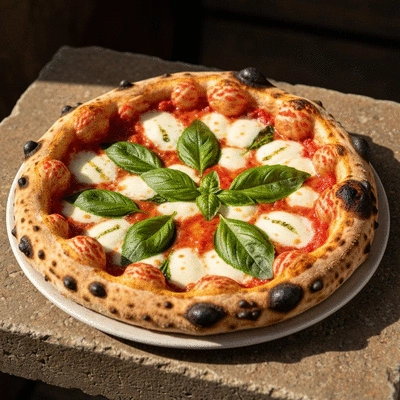
The origins of Roman and Neapolitan pizza are steeped in the cultural fabric of Italy. Neapolitan pizza hails from Naples, a city that boasts a heritage of culinary excellence, particularly in pizza-making. It was here that the Margherita pizza was invented in the late 19th century, symbolizing the colors of the Italian flag with its fresh basil, mozzarella, and tomatoes.
On the other hand, Roman pizza has its roots in the bustling streets of Rome. Traditionally enjoyed as a street food, it was characterized by its thicker, crunchier crust. Both styles reflect their regions—Neapolitan pizza emphasizes simplicity and quality, while Roman pizza embraces a hearty, diverse approach.
Key Differences in Dough Composition and Hydration
The dough used in Neapolitan pizza is known for its high hydration, creating a light and airy crust. This dough is made with just four ingredients: flour, water, salt, and yeast, allowing it to rise quickly and develop its signature texture. In contrast, Roman pizza uses a firmer dough that is less hydrated, resulting in a crispier edge.
- Neapolitan Dough: High hydration, airy, soft texture
- Roman Dough: Lower hydration, crispy and firm
Both styles undergo different fermentation processes as well; Neapolitan dough often ferments for 24 hours, enhancing its flavor, while Roman dough can take longer, allowing for a stronger structure.
Essential Ingredients: The Role of San Marzano Tomatoes and Mozzarella di Bufala
What truly defines the flavor of these pizzas are the ingredients. At Casa Fatto, we pride ourselves on using authentic San Marzano tomatoes, which are considered the gold standard for pizza sauce. Their rich, sweet flavor profile is essential for both pizza styles.
- Neapolitan Pizza: Typically topped with Mozzarella di Bufala, which adds a creamy texture.
- Roman Pizza: Often uses a variety of cheeses, giving it a diverse flavor experience.
These ingredients not only enhance the taste but also honor the tradition of Italian pizza-making, ensuring that each bite transports you to the heart of Italy. For more details on authentic Italian ingredients, check out Casa Fatto's Italian Menu Highlights.
Cooking Techniques: How Temperature Shapes Flavor
The technique used to bake these pizzas is fundamental to their identity. Neapolitan pizza is cooked rapidly in a wood-fired oven at temperatures reaching 900°F, which gives it that characteristic char and soft center. In contrast, Roman pizza is typically baked at lower temperatures, creating a crunchier crust.
This difference in baking temperatures impacts the texture and overall flavor of the pizza, making it essential to understand when trying to replicate these styles at home!
Texture and Bite Experience: Chewy vs. Crispy
One of the most delightful aspects of pizza is its texture. The Neapolitan style offers a chewy and airy bite, while Roman pizza is celebrated for its crispy, crunchy crust. Each style provides a unique eating experience, whether you're savoring the soft, pillowy bites of a Margherita or the satisfying crunch of a Roman slice.
Visual Characteristics: A Feast for the Eyes
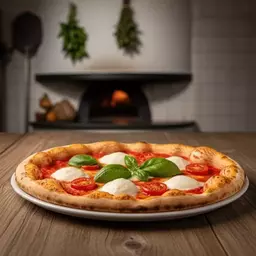
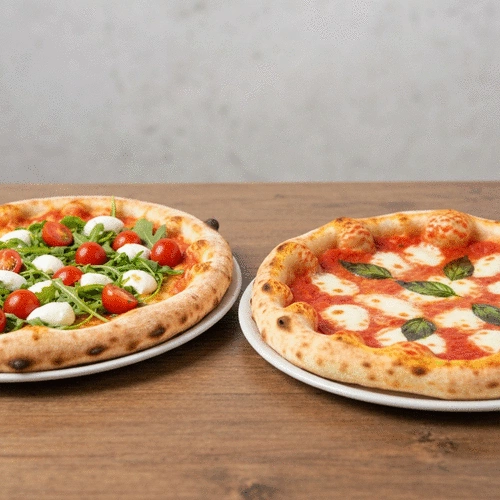
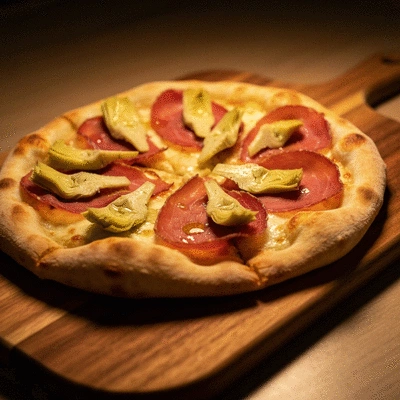
Visually, these two pizzas tell their own stories. Neapolitan pizza is known for its puffed cornicione (the crust border), which is soft and airy, often boasting a blistered appearance. Roman pizza, however, presents a flatter, more uniform edge, reflecting its sturdy structure. You can easily spot these differences as you explore the menu at Casa Fatto!
Topping Philosophy: Less is More vs. Variety
When it comes to toppings, Neapolitan pizza embraces a “less is more” philosophy, focusing on fresh, high-quality ingredients that shine on their own. In contrast, Roman pizza welcomes a variety of toppings, from simple combinations to elaborate creations.
- Popular Neapolitan Toppings: Fresh basil, San Marzano tomatoes, Mozzarella di Bufala
- Popular Roman Toppings: A wide array including artichokes, prosciutto, and seasonal vegetables
This divergence highlights the cultural influences of each region, allowing pizza lovers to enjoy a wide range of flavors and experiences.
Identifying Each Style: Tips for Pizza Lovers
When ordering or making pizza, here are some practical tips to distinguish between Roman and Neapolitan styles:
- Check the crust: Is it airy and puffy? You’re likely looking at a Neapolitan pizza!
- Observe the baking method: A wood-fired oven usually indicates Neapolitan.
- Toppings: Look for simplicity in Neapolitan, while Roman will have a more diverse selection.
By keeping these tips in mind, you’ll become a savvy pizza connoisseur in no time!
Making It at Home: Adapting Techniques for Your Kitchen
Looking to recreate these beloved pizza styles at home? Don’t worry! You can achieve amazing results with just a few adjustments. For Neapolitan pizza, use a high-hydration dough and a pizza stone heated in your oven as high as it can go. For Roman pizza, focus on a firmer dough and bake at a moderate temperature for longer. To truly master your home pizza game, consider our guide on Crafting Authentic Italian Pizza Dough.
At Casa Fatto, we love sharing tips to help you succeed in your home kitchen, so don’t hesitate to reach out for more guidance!
Nutritional Aspects: Calories and Digestibility
Nutrition is an important consideration when enjoying pizza. Generally, Neapolitan pizza has a lighter feel due to its airy crust, whereas Roman pizza, with its denser base, may have more calories per slice. Understanding these differences can help you make informed choices about your favorite pizza.
Regional Variations and Sub-Styles of Roman Pizza
Roman pizza also has exciting sub-styles worth exploring. From pizza al taglio, which is baked in rectangular trays and cut into squares, to pizza alla pala, which is served on a wooden paddle, these variations showcase the creativity and regional flavors of Italy.
FAQs on Roman vs. Neapolitan Pizza
What are the main differences between Roman and Neapolitan pizza?
Neapolitan pizza features a soft, airy, high-hydration crust baked quickly at high temperatures, with minimal, high-quality toppings like San Marzano tomatoes and Mozzarella di Bufala. Roman pizza has a firmer, crispier, lower-hydration crust baked at lower temperatures for longer, often with a wider variety of toppings.
What kind of dough is used for Neapolitan pizza?
Neapolitan pizza dough is made with just four ingredients: flour, water, salt, and yeast. It has a high hydration level, resulting in a light and airy texture, and undergoes a 24-hour fermentation process.
Why are San Marzano tomatoes and Mozzarella di Bufala important for Neapolitan pizza?
San Marzano tomatoes are prized for their sweet, rich flavor, forming the base of an authentic Neapolitan sauce. Mozzarella di Bufala (buffalo mozzarella) provides a creamy texture and delicate taste that complements the other simple ingredients, adhering to the "less is more" philosophy.
How do cooking temperatures affect the two pizza styles?
Neapolitan pizza is cooked rapidly at approximately 900°F (480°C) in a wood-fired oven, creating a charred, soft, and chewy crust with a puffed edge (cornicione). Roman pizza is baked at lower temperatures for a longer period, which results in its characteristic crispy and crunchy texture.
Can I make Roman or Neapolitan pizza at home without a wood-fired oven?
Yes, you can adapt techniques for home kitchens. For Neapolitan-style pizza, use a high-hydration dough and preheat your oven to its highest temperature with a pizza stone. For Roman-style pizza, use a firmer dough and bake it at a moderate temperature for a duration to achieve a crispy crust.
Culinary Techniques: Mastering Pizza Craftsmanship
Mastering the art of pizza-making involves understanding various baking techniques and flour types. Different flours can drastically change the texture and quality of the crust, which is why I encourage aspiring pizza makers to experiment!
At Casa Fatto, we’re passionate about sharing these culinary techniques with our community, ensuring that everyone can enjoy authentic Italian pizza at home.
Did You Know?
According to a recent study, over 40% of Americans consider pizza their favorite food! Whether it's the chewy crust of Neapolitan or the crispy edges of Roman pizza, it's clear that both styles have captured the hearts (and stomachs) of many. What do you think makes pizza such a beloved dish?
Wrapping Up the Pizza Debate: Roman vs. Neapolitan
As we come to the end of our exploration, it's clear that both Roman and Neapolitan pizzas have their own unique charm. If you're someone who enjoys a chewy and airy bite, the traditional Neapolitan style might just be your go-to. On the other hand, if a crispy and hearty crust is what you crave, Roman pizza holds the key to your heart. Each style speaks to different palates and dining preferences, so it’s all about what makes your taste buds sing!
Whether you lean towards the simplicity of a Margherita or the variety of toppings on a Roman pizza, both styles offer a delightful experience. What matters most is finding the one that resonates with you. So, next time you're at Casa Fatto or trying your hand at making pizza at home, keep these distinctions in mind!
Which Pizza Style Fits Your Palate?
Let’s break down the differences to help you decide:
- Neapolitan Pizza: Soft, chewy crust, typically topped with fresh ingredients.
- Roman Pizza: Crispy, thicker crust with a variety of toppings available.
- Flavor Profile: Neapolitan emphasizes simplicity, while Roman celebrates variety.
- Cooking Method: Neapolitan cooks quickly in high heat; Roman takes a bit longer at lower temperatures.
Understanding these distinctions will guide you in choosing your perfect slice, whether you’re ordering out or crafting your own masterpiece!
Join the Pizza Conversation: Share Your Thoughts
Now it's your turn! I’d love to hear about your experiences with both pizza styles. Have you tried making either at home? What toppings do you adore or avoid? Let’s create a community of pizza lovers right here! You can share your favorite preparations or recommendations in the comments below. Your insights could inspire someone else to explore their own pizza journey!
Try Both Styles: The Ultimate Taste Test
Why not set up your own taste test? Make it a fun evening with family or friends where you whip up a Neapolitan pizza alongside a Roman style. You can also visit Casa Fatto to experience the best of both worlds. We aim to bring you the true essence of Italian pizza, and I promise you won’t be disappointed!
- Order a classic Margherita for that authentic Neapolitan taste.
- Try a pizza al taglio for a slice of Roman tradition.
- Mix and match toppings for a true culinary adventure.
Let your taste buds guide the way as you discover new favorites. Who knows? You might find that you love both styles equally!
Pairing Pizza with Wine: Enhancing Your Dining Experience
Pairing the right wine with your pizza can elevate your meal to a whole new level. Here are some suggestions to enhance your dining experience:
- Neapolitan Pizza: A light red like Chianti works beautifully with the fresh and simple flavors.
- Roman Pizza: A robust red, such as Montepulciano, complements the heartiness of various toppings.
- White Wine: Consider a crisp Pinot Grigio for lighter pizzas or seafood toppings.
By thoughtfully selecting your wine, you can create a delightful harmony of flavors that celebrates the true essence of Italian cuisine. Cheers to great pizza and great company at Casa Fatto!
Recap of Key Points
Here is a quick recap of the important points discussed in the article:
- Neapolitan Pizza: Features a soft, chewy crust, made from high-hydration dough, typically topped with fresh ingredients like Mozzarella di Bufala.
- Roman Pizza: Known for its crispy, thicker crust with a variety of toppings, using firmer dough that is less hydrated.
- Cooking Techniques: Neapolitan pizza is baked quickly at high temperatures in wood-fired ovens, while Roman pizza is baked at lower temperatures for a crunchier texture.
- Ingredient Quality: Both styles utilize high-quality ingredients like San Marzano tomatoes, which are essential for authentic flavor.
- Identifying Styles: Look for the crust texture, baking method, and simplicity of toppings to distinguish between the two styles.