Did you know that Neapolitan pizza, a culinary treasure, has roots stretching back to ancient Rome? Join us as we explore its fascinating evolution from humble flatbreads to the icon it is today.
What You Will Learn
- Neapolitan pizza evolved from ancient Roman flatbreads, showcasing the adaptability of culinary traditions.
- The dish became popular in the 18th century as street food, accessible to all, reflecting the needs of the working class in Naples.
- Pizza Margherita was created in 1889, symbolizing Italian national pride with its colors representing the flag.
- Antica Pizzeria Port'Alba, established in 1738, is recognized as the world's first pizzeria, setting the foundation for pizza culture.
- Pizza Marinara is celebrated as one of the original Neapolitan pizzas, emphasizing the beauty of simple, high-quality ingredients.
- Authentic Neapolitan pizza combines tradition with modern palates, remaining relevant and cherished worldwide.
- Making Neapolitan pizza at home requires quality ingredients, proper dough fermentation, and the right equipment for an authentic experience.
Key Milestones in Neapolitan Pizza History
Delve into the pivotal moments that shaped Neapolitan pizza, from its origins to royal tributes and the world's first pizzeria.
1889: Pizza Margherita's Royal Creation
Queen Margherita declared this tricolor pizza (tomato, mozzarella, basil) her favorite, solidifying its iconic status as a symbol of Italy.
1738: Antica Pizzeria Port'Alba Opens
The world's first pizzeria, setting the stage for pizza as a community gathering place and culinary institution.
Original: Pizza Marinara's Enduring Legacy
A classic of simplicity: tomatoes, garlic, and oregano, showcasing the beauty of fresh, quality ingredients that stood the test of time.
Ancient: Roman Flatbread Evolution
The earliest form of pizza, simple unleavened bread topped with herbs and olive oil, laying the foundation for future culinary innovation.
The Historical Roots of Neapolitan Pizza: Understanding Its Humble Beginnings
Welcome to a journey through the delicious history of Neapolitan pizza, a dish that holds a special place in my heart here at Casa Fatto! Understanding its origins gives us a greater appreciation for each slice we enjoy. Neapolitan pizza has a rich heritage that dates back to ancient times, evolving from simple flatbreads to the beloved culinary icon we know today.
Neapolitan pizza has roots in ancient Rome, where flatbreads topped with various ingredients were commonly consumed. Over the centuries, this humble dish transformed significantly, particularly in the bustling streets of 18th-century Naples. This era marked a pivotal moment as locals began adding ingredients like tomatoes and cheese to their flatbreads, creating the foundation for what we now celebrate as Neapolitan pizza.
From Ancient Rome to 18th Century Naples: The Evolution of Flatbread
The journey of pizza began with the ancient Romans, who enjoyed a variety of unleavened breads topped with herbs and olive oil. As the culinary world evolved, so did the use of bread. By the 18th century, Naples became a melting pot for flavors, and the flatbread started to take on new forms, with the introduction of tomatoes, cheese, and other local ingredients.
- Flatbreads of Ancient Rome: Simple, unleavened, and topped with local herbs.
- Naples in the 18th Century: A bustling hub for culinary experimentation.
- Incorporation of Tomatoes: The turning point for Neapolitan cuisine!
This evolution laid the groundwork for a dish that would soon become a staple not just in Italy, but around the world. My passion for pizza-making at Casa Fatto deeply connects with these traditional roots, as each pizza I craft reflects centuries of culinary artistry.
Street Food for the Poor: The Birth of Neapolitan Pizza
As Naples grew, so did its population, especially among the working class. Pizza emerged as the ideal street food for those seeking a quick, nourishing meal. Vendors sold these delicious creations from carts and small stands, making them accessible to everyone. It's fascinating to think that the pizza we love today has its origins in the desire for affordable, hearty food!
- Accessible to All: Pizza became a beloved dish for both the rich and the poor.
- Vendors in Naples: Pioneers of pizza culture and creativity.
- Flavorful Toppings: A reflection of local ingredients and traditions.
This humble beginning is something we honor at Casa Fatto. Each pizza we serve is a reminder of the rich history behind this dish and the community it brings together. Have you ever tried street food? It’s an experience that connects us all!
Key Milestones in Neapolitan Pizza History: Iconic Moments
As we dive deeper into the history of Neapolitan pizza, let's explore some of the key milestones that shaped its identity. Each moment tells a story—a story filled with tradition and passion that resonates in the pizzas we create at Casa Fatto.
The Creation of Pizza Margherita: A Royal Tribute in 1889
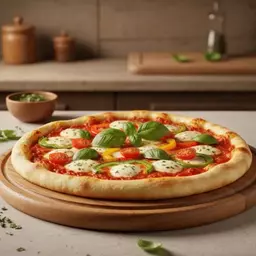
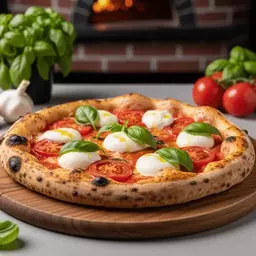
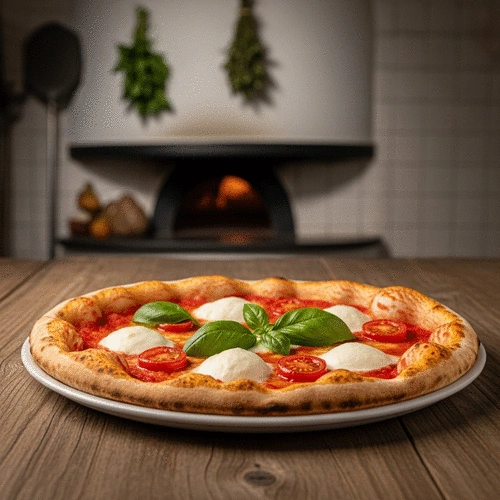
In 1889, a pivotal event in the world of pizza occurred—the creation of Pizza Margherita. Legend has it that Queen Margherita of Savoy visited Naples and, upon tasting a pizza topped with tomatoes, mozzarella, and basil, declared it her favorite. The colors of the pizza represented the Italian flag, making it a true symbol of national pride!
- Queen Margherita's Visit: A touch of royal influence!
- Symbol of Italy: Colors representing the nation.
- Legacy of Pizza Margherita: An enduring classic at Casa Fatto!
This delicious tribute continues to be a favorite among our customers, embodying the spirit of Neapolitan pizza and its rich history.
Antica Pizzeria Port'Alba: The First Pizzeria and its Significance
Did you know that Antica Pizzeria Port'Alba, established in 1738, is considered the first pizzeria in the world? This beloved establishment set the stage for pizza culture, offering a place where people could gather to enjoy this cherished dish. It’s incredible to think that so many years ago, the love for pizza began in one small pizzeria!
- Opening in 1738: The dawn of a pizza era.
- Gathering Place: A community hub for pizza lovers.
- Influence on Modern Pizzerias: Shaping the future of pizza dining.
When I think of Antica Pizzeria Port'Alba, I’m reminded of the importance of community and connection, values that are integral to Casa Fatto. Every bite of pizza shared is a celebration of our shared love for this iconic dish!
Pizza Marinara: The Original Neapolitan Classic and Its Legacy
Lastly, we can’t forget about Pizza Marinara, one of the original Neapolitan pizzas, known for its simplicity and flavor. Made with tomatoes, garlic, and oregano, it showcases the beauty of quality ingredients. This pizza has stood the test of time, remaining a favorite among purists who appreciate its straightforward yet delightful taste.
- Simple Ingredients: Highlighting the beauty of fresh produce.
- Legacy of Flavor: A timeless classic that resonates at Casa Fatto.
- Connection to Tradition: Each bite tells a story of history.
As I craft our Pizza Marinara at Casa Fatto, I’m reminded of the rich flavors and traditions that have come before us. It's an honor to continue this legacy and share it with our community!
Did You Know?
According to the Associazione Verace Pizza Napoletana (AVPN), authentic Neapolitan pizza must adhere to strict guidelines, including the use of specific ingredients like San Marzano tomatoes and buffalo mozzarella. This dedication to quality ensures that each bite of pizza is not only delicious but also steeped in tradition!
Connecting Tradition with Modern Palates: Neapolitan Pizza Today
At Casa Fatto, we celebrate the exquisite flavors of Neapolitan pizza, which have remained a beloved culinary staple across cultures. This rich tradition continues to inspire food lovers worldwide, and it’s easy to see why! Authentic Neapolitan pizza embodies the perfect marriage of quality ingredients, time-honored techniques, and the joy of sharing a meal.
So, what keeps Neapolitan pizza relevant today? The answer lies in its adaptability and the universal love for a delicious slice. From casual family dinners to gourmet experiences, there's a place for this classic dish in every setting!
Why Neapolitan Pizza Remains a Culinary Staple Across Cultures
Neapolitan pizza has transcended its geographical origins to become a global sensation. Its versatility allows for various toppings and styles that appeal to diverse palates. Here are a few reasons why it continues to be cherished:
- Authenticity: The adherence to traditional recipes and ingredients keeps the essence of this pizza alive.
- Flavor Profile: The balance of fresh tomatoes, creamy mozzarella, and aromatic basil is simply irresistible.
- Cultural Heritage: Each pizza tells a story of Italian history and craftsmanship, making it a meaningful dining experience.
At Casa Fatto, we strive to honor this tradition while also inviting our customers to explore new flavors. Whether you're indulging in our classic Margherita or trying our unique seasonal specials, you're experiencing a piece of Italian culture.
How to Enjoy Authentic Neapolitan Pizza at Home: Tips and Recipes
Want to bring the taste of Naples into your own kitchen? Making Neapolitan pizza at home can be an exciting adventure! Here are some tips to create your own masterpiece:
- Use Quality Ingredients: Start with high-quality San Marzano tomatoes and fresh mozzarella for the best flavors.
- Perfect Your Dough: Allow your dough to ferment for at least 24 hours; this enhances its flavor and texture.
- Get the Right Equipment: A pizza stone or wood-fired oven helps achieve that signature crispy crust.
We've shared some of our favorite pizza recipes on the Casa Fatto blog to help you get started. Embrace the art of pizza-making and enjoy the process as much as the delicious results!
The Importance of Dough and Fermentation in Creating Authentic Flavors
The secret behind the best Neapolitan pizzas lies in the dough. At Casa Fatto, we believe that a well-prepared dough is essential for a truly authentic pizza experience. Did you know that the fermentation process can take anywhere from 24 to 72 hours? This allows the dough to develop the right flavors and texture, making it light and airy while still having that perfect chewy bite.
As a culinary enthusiast, I find it fascinating how the timing and technique of dough preparation can transform a simple ingredient into something magical. Here’s why it matters:
- Flavor Development: Longer fermentation enhances the taste, giving a subtle depth that shorter processes can’t achieve.
- Texture: Properly fermented dough results in a crust that is crispy on the outside and soft on the inside, which is quintessential for Neapolitan pizza.
- Digestibility: A well-fermented pizza is often easier on the stomach, making it a more enjoyable experience!
Next time you bite into a slice at Casa Fatto, think about the love and time that goes into each dough ball, setting the foundation for every pizza we serve!
Recap of Key Points
Here is a quick recap of the important points discussed in the article:
- Neapolitan pizza originated from ancient Roman flatbreads, evolving in 18th-century Naples with the introduction of tomatoes and cheese.
- Pizza became a popular street food in Naples, accessible to both the rich and the poor, reflecting local flavors and traditions.
- Key milestones include the creation of Pizza Margherita in 1889, symbolizing Italian national pride, and Antica Pizzeria Port'Alba, the first pizzeria established in 1738.
- Pizza Marinara remains a classic, emphasizing the importance of quality ingredients and simplicity in flavor.
- Neapolitan pizza's global popularity is due to its authenticity, irresistible flavor profile, and deep cultural heritage.
- To enjoy authentic Neapolitan pizza at home, focus on using quality ingredients, perfecting dough fermentation, and utilizing appropriate cooking equipment.
Frequently Asked Questions About Neapolitan Pizza
What are the origins of Neapolitan pizza?
Neapolitan pizza has roots stretching back to ancient Roman flatbreads. It evolved significantly in 18th-century Naples when locals began adding ingredients like tomatoes and cheese, transforming it into the beloved dish we know today.
When was Pizza Margherita created and what does it symbolize?
Pizza Margherita was supposedly created in 1889 during a visit by Queen Margherita of Savoy to Naples. Its toppings—tomatoes (red), mozzarella (white), and basil (green)—symbolize the colors of the Italian flag, making it a symbol of national pride.
What is the significance of Antica Pizzeria Port'Alba?
Antica Pizzeria Port'Alba, established in 1738, is recognized as the world's first pizzeria. It played a crucial role in establishing pizza as a culinary institution and a community gathering place.
What is Pizza Marinara?
Pizza Marinara is one of the original Neapolitan pizzas, celebrated for its simplicity and flavor. It typically features tomatoes, garlic, and oregano, showcasing the beauty of high-quality, fresh ingredients.
Why is dough fermentation so important for authentic Neapolitan pizza?
Dough fermentation, often lasting 24 to 72 hours, is crucial for developing the authentic flavors and texture of Neapolitan pizza. It results in a light, airy, yet chewy crust that is crispy on the outside and soft on the inside, and also aids in digestibility.
What makes Neapolitan pizza a global culinary staple?
Neapolitan pizza remains a global culinary staple due to its authenticity, irresistible balance of fresh ingredients (tomatoes, mozzarella, basil), adherence to traditional recipes, and its deep cultural heritage that offers a meaningful dining experience.
To learn more about mastering the art of pizza making at home, check out our guide on how to make the best pizza at home.