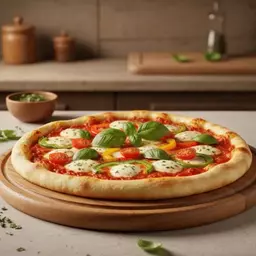
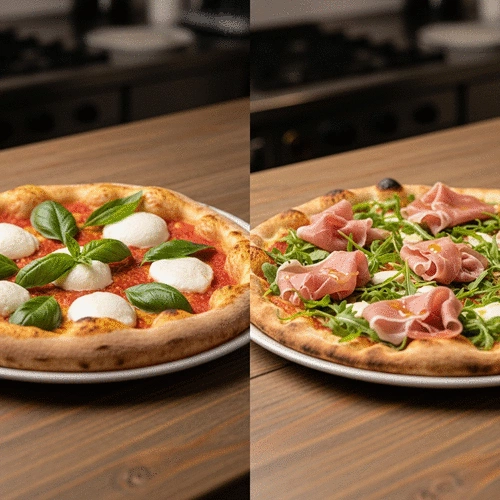
Have you ever wondered what truly differentiates Neapolitan from Roman pizza? Understanding these culinary distinctions can enrich your appreciation for Italian cuisine. Let’s explore the key insights that will enhance your pizza knowledge!
What You Will Learn
- Neapolitan pizza features a soft and chewy crust, while Roman pizza is characterized by its thin and crispy base.
- When choosing a pizza style, consider texture preferences and topping options, as Neapolitan favors simplicity and Roman showcases creativity.
- Replicating these styles at home requires specific ingredients: high-protein flour for Neapolitan and a lower protein flour for Roman.
- Oven type significantly impacts the outcome; wood-fired ovens work best for Neapolitan, while conventional ovens are ideal for Roman pizzas.
- Regarding nutrition, Neapolitan pizza is generally lighter due to its ingredient ratio, while Roman pizza can be denser and more indulgent.
Neapolitan vs. Roman Pizza: A Comparative Guide
Delve into the distinct characteristics of Neapolitan and Roman pizzas, exploring their unique crusts, toppings, and preparation methods. Discover our authentic Italian pizza dough recipe to start your pizza-making journey.
Understanding Neapolitan and Roman Pizza: A Comparative Overview
At Casa Fatto, we take pride in celebrating the rich heritage of Italian pizza-making. One of the most fascinating aspects of this culinary art is the variety of pizza styles that have emerged from Italy, particularly Neapolitan and Roman pizzas. Each style offers a unique experience, reflecting regional ingredients and techniques that have evolved over centuries.
Have you ever wondered what truly sets these two styles apart? From their crusts to their toppings, the distinctions between Neapolitan and Roman pizza are part of what makes Italian cuisine so captivating. Let’s dive in and explore the specifics!
A Brief Introduction to Pizza Styles
Pizza has a way of bringing people together, and that’s especially true when it comes to Neapolitan and Roman styles. While both offer delightful flavors, they showcase different methods and philosophies in their preparation. Here’s a quick overview:
- Neapolitan Pizza: Originating from Naples, this style is known for its soft and chewy crust, made from high-hydration dough.
- Roman Pizza: Hailing from Rome, this pizza features a thin and crispy crust, often baked in a rectangular shape.
Understanding these fundamental differences lays the groundwork for appreciating the nuances that each style brings to the table!
Why Choose Neapolitan or Roman Pizza?
The choice between Neapolitan and Roman pizza often comes down to personal preference and the dining experience you seek. Do you crave the soft, pillowy texture of Neapolitan pizza, or are you leaning towards the crispiness of Roman? Here are some factors to consider:
- Texture Preference: Neapolitan’s chewy crust vs. Roman’s crispy base.
- Topping Options: Simpler toppings on Neapolitan vs. more creative combinations in Roman.
- Cooking Methods: Wood-fired Neapolitan vs. oven-baked Roman.
Ultimately, the choice is yours! Both styles provide a delicious journey through the heart of Italian cuisine. For a deeper dive into pizza history, explore the history of pizza from ancient origins to modern delight.
The Influence of Italian Cuisine on Pizza Styles
Italian cuisine is all about tradition and quality ingredients, and this is no different when it comes to pizza. The regional specialties, such as those found in Naples and Rome, have deeply influenced the respective pizza styles. At Casa Fatto, we honor these traditions by focusing on authentic methods and high-quality ingredients.
For instance, Neapolitan pizza emphasizes the importance of using San Marzano tomatoes and fresh mozzarella, which are essential for creating its signature flavor profile. Conversely, Roman pizza often showcases bolder flavors with unique toppings that reflect the city's diverse culinary influences.
- Neapolitan Pizza: Simplicity and freshness.
- Roman Pizza: Creative and adventurous combinations.
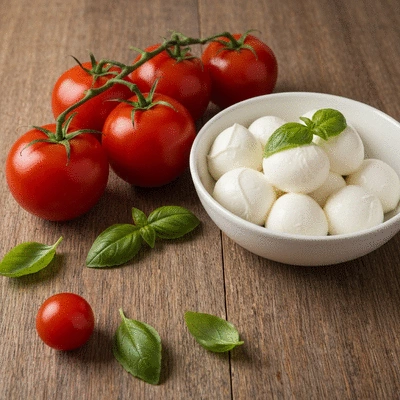
By understanding these influences, we can better appreciate the artistry behind each slice. Join us at Casa Fatto to indulge in these authentic flavors and experience the heart of Italian pizza-making!
Did You Know?
According to a recent survey, 67% of pizza lovers prefer Neapolitan pizza for its authentic taste and chewy texture, while 33% lean towards Roman pizza for its crispy crust and innovative toppings. Which side are you on?
Making Your Choice: Which Pizza Style is Right for You?
As we dive into the delightful world of pizza, it’s essential to consider what fits your taste and cooking style. Each pizza style—Neapolitan and Roman—offers unique flavors and textures that can enhance your dining experience. So, whether you're an aspiring home chef or simply looking to indulge, let’s explore how you can make an informed choice!
Considerations for Home Cooking: Replicating Neapolitan and Roman
When it comes to creating authentic pizza at home, your approach may vary based on the style you choose. Both Neapolitan and Roman pizzas have distinctive characteristics that require specific ingredients and techniques.
- Flour: Use a high-protein flour for Neapolitan dough, while a lower protein flour is great for Roman pizza.
- Yeast: Opt for fresh yeast for Neapolitan, but dry yeast works well for Roman.
- Water: Ensure the right hydration levels—higher for Neapolitan and moderate for Roman.
- Oven Temperature: A wood-fired oven is ideal for Neapolitan, while a conventional oven suits Roman style better.
These elements will significantly impact your results. As a pizza enthusiast, I can tell you that experimenting with these ingredients can lead to some delicious surprises!
Essential Ingredients and Techniques for Home Bakers
To replicate the magic of these pizza styles, you’ll need to master a few core techniques. For Neapolitan pizza, focus on kneading your dough for just the right amount of time, typically around 10 minutes. This helps develop that delightful gluten structure!
- Fermentation: Allow the dough to rise slowly, ideally overnight, for maximum flavor.
- Shaping: Hand-stretch the dough for Neapolitan to maintain its airy texture.
- Baking: Keep the oven super hot—around 900°F (480°C)—to achieve that iconic char.
As for Roman pizza, a rolling pin can help you achieve that signature thin crust. Remember, it’s all about personal preferences and what feels right for you in the kitchen! For more tips on achieving the perfect bake, check out our guide on tips for baking the perfect pizza at home.
Choosing the Right Pizza Oven for Your Needs
The type of oven you use can greatly influence your pizza-making success. Here are some options you might consider:
- Wood-Fired Ovens: Perfect for Neapolitan enthusiasts wanting that authentic smoky flavor.
- Conventional Ovens: Ideal for Roman pizza, allowing for even baking on a pizza stone.
- Outdoor Pizza Ovens: These can handle both styles with versatility.

Investing in the right oven is crucial to achieving the best results. Remember, the goal is to recreate that delightful experience you get at Casa Fatto right in your kitchen!
Nutrition and Health Considerations of Each Style
When choosing between Neapolitan and Roman pizza, nutrition is another important factor to consider. Neapolitan pizza, with its high-quality ingredients and handmade dough, often features less cheese and a higher tomato ratio, making it a lighter option. Roman pizza, while equally delicious, can be more indulgent due to its crispy crust and richer toppings.
- Caloric Content: Roman pizza tends to be denser, which may mean more calories.
- Ingredient Quality: Both styles emphasize fresh ingredients, which can contribute to overall health.
- Personal Preferences: Consider any dietary needs, like gluten-free options or vegetarian toppings available at Casa Fatto!
Ultimately, it’s all about balance and enjoying what you love. Don't hesitate to reach out to us if you have questions about our menu or need recommendations for your next pizza night!
Frequently Asked Questions (FAQs)
- What is the main difference between Neapolitan and Roman pizza?
- Neapolitan pizza has a soft, chewy, and airy crust, while Roman pizza features a thin, crispy, and often cracker-like crust.
- What kind of oven is best for Neapolitan pizza?
- A wood-fired oven that can reach temperatures of 900°F (480°C) is ideal for Neapolitan pizza, ensuring a quick bake and characteristic char.
- Can I make Neapolitan or Roman pizza at home in a conventional oven?
- You can make both, but conventional ovens are better suited for Roman pizza due to its lower temperature requirement. For Neapolitan, you might need special equipment to achieve high enough temperatures.
- Which pizza style uses simpler toppings?
- Neapolitan pizza typically uses simpler, fresh ingredients like San Marzano tomatoes and fresh mozzarella, focusing on the quality of a few components.
- Is Neapolitan pizza healthier than Roman pizza?
- Neapolitan pizza is generally considered lighter due to its higher tomato ratio, less cheese, and airy crust. Roman pizza can be denser and more indulgent due to its crispy crust and richer toppings.
Recap of Key Points
Here is a quick recap of the important points discussed in the article:
- Neapolitan Pizza: Soft and chewy crust made from high-hydration dough, emphasizing simplicity and fresh ingredients.
- Roman Pizza: Thin and crispy crust, often with creative topping combinations and baked in a rectangular shape.
- Cooking Techniques: Neapolitan requires high temperatures in a wood-fired oven, while Roman is best in a conventional oven.
- Nutrition Considerations: Neapolitan pizza tends to be lighter with a higher tomato ratio, while Roman pizza can be denser and richer.
- Home Cooking Tips: Use high-protein flour for Neapolitan and lower protein for Roman; fresh yeast for Neapolitan and dry for Roman.