Ever wondered what truly sets apart an authentic Italian pizza from the rest? At Casa Fatto, we believe it's all in the dough. Here’s a taste of what you can learn from our cherished techniques and ingredients that bring the heart of Italy to your kitchen.
What You Will Learn
- The importance of quality ingredients, including 00 flour, fresh yeast, and quality water for enhancing pizza dough flavor.
- Techniques for proper kneading and fermentation to achieve the ideal dough texture—crispy on the outside and chewy on the inside.
- Common challenges in pizza dough preparation and effective troubleshooting tips to overcome them.
- Creative topping pairings that elevate your pizza experience, making each meal a celebration of Italian tradition.
The Pillars of Authentic Italian Pizza Dough at Casa Fatto
At Casa Fatto, crafting the perfect pizza dough relies on a blend of essential ingredients, traditional techniques, and careful troubleshooting. These elements ensure a delicious, artisanal pizza experience, overcoming common challenges to achieve optimal flavor and texture. For a deeper dive into our culinary philosophy, explore Casa Fatto's Italian Menu Highlights.
Essential Ingredients
- • 00 Flour
- • Fresh Yeast
- • Quality Water
- • Sea Salt & Olive Oil
Fermentation Time Impact
- • Short (1-2 hrs): Quick pizza
- • Cold (24-72 hrs): Complex flavor
- • Dough doubled: Ready
Addressing Challenges
- • Sticky: Add flour
- • Dense: Check yeast, proofing
- • Too warm: Cooler environment
Gluten-Free Adaptations
- • Rice, almond, tapioca flour
- • Psyllium husk/xanthan gum
- • Increased hydration
Crafting Authentic Italian Pizza Dough at Casa Fatto: An Introduction to Tradition
Welcome to Casa Fatto, where we take you on a delightful journey into the heart of Italian pizza-making! Understanding the essence of authentic Italian pizza dough is crucial to crafting the perfect pizza. It's not just about the ingredients; it's about tradition, technique, and a sprinkle of love. Every day at Casa Fatto, we celebrate these elements as we create pizzas that transport you straight to Italy!
What makes our dough stand out? By embracing the time-honored practices passed down through generations, we ensure each pizza crust is a testament to Italian heritage. Join me in exploring the art of pizza dough making—let's dive into what makes this staple so special.
Understanding the Essence of Authentic Italian Pizza Dough
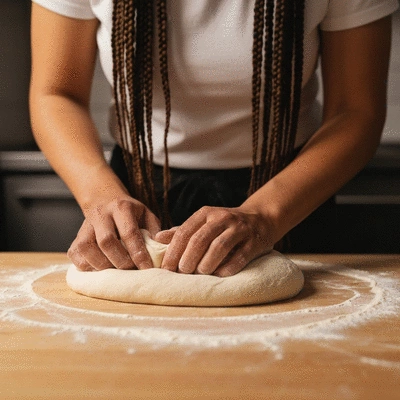
Authentic Italian pizza dough has a unique texture and flavor that sets it apart. It's all about achieving that perfect balance between crispy and chewy. The foundation of our dough lies in quality ingredients, proper kneading, and the right fermentation techniques. These factors work hand in hand to create a crust that complements every topping beautifully!
- Quality ingredients: We focus on the best flour, yeast, and water.
- Proper kneading: Achieves the right dough consistency.
- Fermentation time: Enhances flavor and texture.
At Casa Fatto, we believe that understanding these essentials is the first step to recreating our delicious pizzas at home. Let’s break down why these elements are essential in the next sections! For more on specific pizza styles, read about Neapolitan Pizza: A Culinary Journey.
Why Choose Casa Fatto Techniques for Your Home Pizza
When you're ready to create your own Italian masterpiece, why not use techniques that have been perfected over years? At Casa Fatto, we focus on methods that maximize flavor and authenticity. Our approach is not just about following a recipe; it's about embracing the Italian culinary culture, which can elevate your home pizza experience!
- Traditional methods: We combine age-old techniques with modern practices.
- Ingredient quality: We emphasize using the finest ingredients available.
- Community support: Join our community to share tips and experiences!
By incorporating our techniques, you’ll not only impress your family and friends but also enjoy the simple pleasure of making pizza the Italian way. Are you ready to dive into the essential ingredients that make our pizza dough truly authentic? Let’s get started!
Essential Ingredients for Authentic Italian Pizza Dough
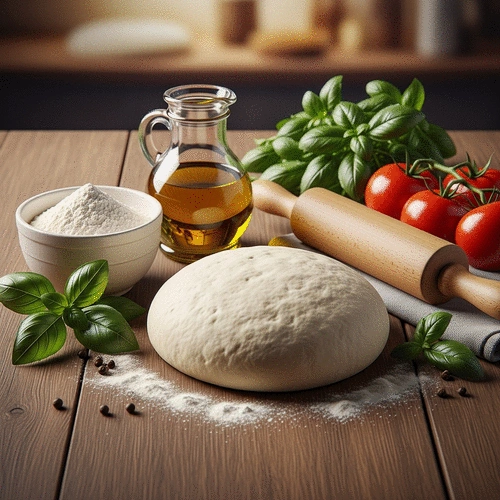
To create the perfect pizza dough, we need to consider the essential ingredients that make all the difference. It’s not just about throwing things together; each ingredient plays a vital role in the final product. At Casa Fatto, we take pride in our selection of ingredients that honor Italian traditions.
- 00 Flour: The secret to an incredible crust.
- Fresh yeast: Activate the magic!
- Quality water: Often overlooked, but essential!
- Sea salt and extra virgin olive oil: For that authentic flavor!
These four components create a foundation that leads to delicious, artisanal pizza. Let's explore them further!
Pro Tip
To truly elevate your pizza-making experience, consider investing in a pizza stone. Preheat it in your oven for at least 30 minutes before baking your pizza. This will help achieve that perfect crispy crust that mimics a traditional wood-fired oven!
Addressing Common Challenges in Pizza Dough Preparation
Even the most passionate pizza makers encounter challenges when it comes to preparing pizza dough. At Casa Fatto, we believe that understanding these common issues—and how to resolve them—can elevate your pizza-making skills. It’s all about perseverance and learning from each attempt!
Here are some typical challenges you might face and solutions to help you overcome them:
- Too Sticky Dough: If your dough is sticking to your hands or the work surface, it may be due to insufficient flour or too much moisture. Try incorporating a little extra flour gradually as you knead.
- Dense Dough: If your dough turns out dense, it might not have risen enough. Ensure you’re using fresh yeast and allow your dough to proof adequately.
- Temperature Issues: Dough that is too warm can rise too quickly, resulting in poor texture. Aim for a cooler environment during fermentation to develop more flavor.
By addressing these challenges thoughtfully, you’ll find your pizza dough improving over time, making each pizza night a delightful experience!
Troubleshooting: What to Do When Your Dough is Too Sticky or Dense
Sticking and density issues are common, but don’t worry! Here are a few troubleshooting tips to help you get back on track:
- For sticky dough, add flour sparingly until you achieve the right consistency.
- If your dough is too dense, check your yeast: it should be fresh and active!
- Make sure you’re measuring your ingredients accurately; the right ratios are key!
Remember, practice makes perfect! Each time you bake, you’ll learn a little more about how to adjust your technique. This way, you can create the perfect dough that reflects the essence of Casa Fatto!
Gluten-Free Adaptations: Making Italian Pizza Dough Accessible
At Casa Fatto, we’re all about inclusivity! If you or a loved one requires gluten-free pizza, you can still enjoy authentic Italian flavors. The key is to find the right blend of gluten-free flours. Here’s what I recommend:
- Using a blend of rice flour, almond flour, and tapioca starch can help create a structure similar to traditional dough.
- Incorporate psyllium husk or xanthan gum for added elasticity.
- Hydration is crucial! Gluten-free dough may require more moisture to achieve the right texture.
Experimenting with these ingredients can lead to delightful results, allowing everyone to gather around the table to enjoy a delicious pizza!
Understanding Dough Fermentation Time for Optimal Flavor
Fermentation time plays a significant role in developing the flavor of your pizza dough. At Casa Fatto, we often opt for a longer fermentation period, which enhances the taste and texture. Here’s how to approach it:
- For quick pizzas, a short fermentation of about 1-2 hours at room temperature can suffice.
- For more complex flavors, consider a cold fermentation in the refrigerator for 24 hours or even up to 72 hours.
- Monitor the dough; you’ll know it’s ready when it has doubled in size and feels light and airy.
By mastering fermentation, you’ll unlock a whole new level of flavor in your pizza, reminiscent of the traditional methods we cherish at Casa Fatto! To discover more about the nuances of different pizza types, explore the Differences Between Neapolitan and Roman Pizza.
Enhancing Your Pizza Experience: Pairing Toppings and Sauces
Once you’ve perfected your pizza dough, it’s time to get creative with toppings and sauces! The right combinations can elevate your pizza experience, making it feel truly authentic.
Let’s dive into some pairing suggestions that will complement your hard work:
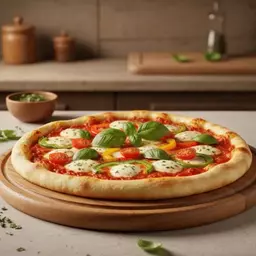
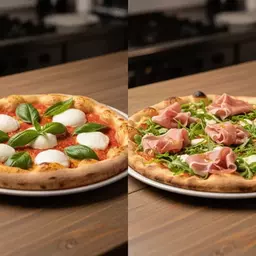
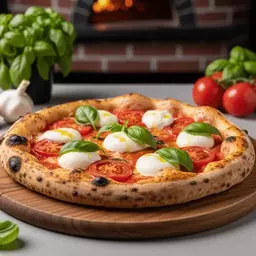
- Classic Margherita with fresh basil and a drizzle of olive oil.
- Spicy Calabrese topped with rich tomato sauce and mozzarella.
- Vegetarian options featuring seasonal vegetables and a garlic-infused olive oil base.
With these toppings in mind, you’ll create pizza that not only tastes fantastic but also brings joy to everyone around the table. At Casa Fatto, our mission is to celebrate authentic Italian pizza-making, and we can’t wait to see what you come up with!
Frequently Asked Questions (FAQs)
- What makes Casa Fatto's pizza dough authentic?
- Our authenticity comes from using traditional Italian techniques, high-quality ingredients like 00 flour and fresh yeast, and a focus on proper kneading and fermentation for optimal flavor and texture.
- What is 00 flour and why is it important for pizza dough?
- 00 flour is a finely milled Italian flour with a low protein content, which results in a very soft, elastic dough perfect for thin, crispy, yet chewy pizza crusts that are characteristic of authentic Italian pizza.
- How does fermentation time affect pizza dough?
- Fermentation time significantly impacts flavor and texture. A short fermentation (1-2 hours) yields a quicker pizza, while a longer, cold fermentation (24-72 hours) develops more complex flavors and a lighter, airier crust.
- What should I do if my pizza dough is too sticky?
- If your dough is too sticky, gradually add a small amount of 00 flour while kneading until it reaches the desired consistency. Ensure you're measuring ingredients accurately to prevent this.
- Can I make gluten-free Italian pizza dough?
- Yes, you can! We recommend using a blend of gluten-free flours like rice, almond, and tapioca starch, along with psyllium husk or xanthan gum for elasticity. Increased hydration is also key for gluten-free dough.
Recap of Key Points
Here is a quick recap of the important points discussed in the article:
- Use quality ingredients like 00 flour, fresh yeast, and quality water for authentic pizza dough.
- Master kneading and fermentation techniques to achieve the perfect dough texture and flavor.
- Incorporate traditional methods and modern practices for enhanced authenticity.
- Address common challenges such as sticky or dense dough with proper techniques.
- Experiment with gluten-free adaptations using rice flour, almond flour, and psyllium husk.
- Allow for adequate fermentation time to unlock richer flavors in your pizza dough.
- Pair your pizza with complementary toppings and sauces for an elevated experience.