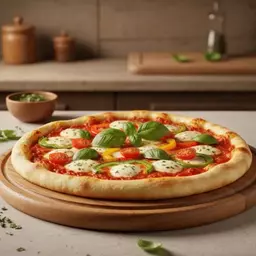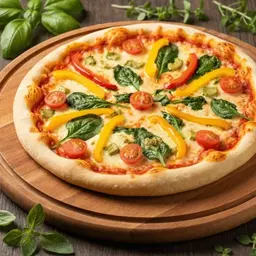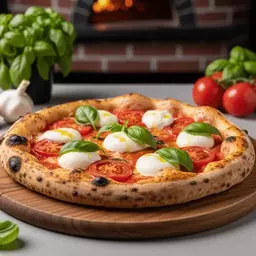
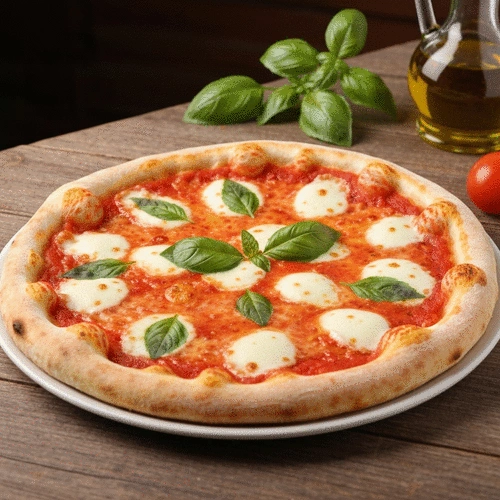
What if a simple dish could tell you a story of history, culture, and royalty? The Margherita Pizza, a symbol of Italian cuisine, is more than just a meal; it’s a culinary journey that reflects the heart of Naples. Explore the fascinating tale behind this iconic dish and discover its royal connections.
What You Will Learn
- The origins of Margherita Pizza trace back to Naples in the 18th century, marking the beginning of Neapolitan pizza.
- Key ingredients like tomatoes, mozzarella, and basil not only create iconic flavors but also represent Italian culinary traditions.
- The fascinating legend of Queen Margherita of Savoy adds a royal touch to the pizza's history, symbolizing national pride.
- UNESCO recognized Neapolitan pizza as an intangible cultural heritage, emphasizing the importance of preserving traditional pizza-making techniques.
- Global variations of Margherita Pizza showcase how different cultures adapt this classic dish, promoting culinary tourism and creativity.
The Evolution of Margherita Pizza: Key Milestones and Craftsmanship
Delve into the rich history and cultural impact of Margherita pizza, from its 18th-century Neapolitan origins to its global variations and UNESCO recognition. This visual highlights the significant elements that define this iconic dish. For a deeper understanding of traditional methods, learn more about crafting authentic Italian pizza dough.
The Rich History of Margherita Pizza and Its Royal Connections
At Casa Fatto, we take great pride in the stories behind our pizzas, and the Margherita Pizza has a rich history that is genuinely fascinating! This beloved dish traces its roots back to Naples in the 18th century, marking the emergence of what we now know as Neapolitan pizza. The introduction of tomatoes was a game-changer for local cuisine, and the simplicity of its ingredients—combined with a unique cooking style—allowed it to capture the hearts of many.
With a focus on fresh, high-quality ingredients, Neapolitan pizza was born from the bustling streets of Naples. The local bakers began experimenting with this new fruit, creating a deliciously satisfying dish that would soon become a symbol of Italian culture. Today, this approach to pizza-making is still at the heart of what we do at Casa Fatto.
Tracing the Origins of Neapolitan Pizza
As we dive deeper into the history, it’s essential to recognize how the cultural fabric of Naples contributed to the evolution of pizza. The convergence of fresh ingredients, local traditions, and culinary creativity led to the birth of this iconic dish. The vibrant atmosphere of Naples brought together artisans, farmers, and families, all contributing to the simple yet rich flavors of early pizza.

- Tomatoes introduced as a significant ingredient in the late 18th century
- The use of fresh mozzarella for creamy texture and flavor
- Fresh basil added to enhance aroma and presentation
These foundational ingredients not only shaped the Margherita Pizza we love today but also reflect the essence of Italian cuisine—quality over quantity! It’s a beautiful example of how simplicity can yield extraordinary flavors.
The Royal Legend of Queen Margherita
One of the most charming stories surrounding Margherita Pizza is its royal connection! In 1889, legendary pizzaiolo Raffaele Esposito prepared a special pizza for Queen Margherita of Savoy during her visit to Naples. This pizza was meant to represent the colors of the Italian flag: red tomatoes, white mozzarella, and green basil. The queen loved it so much that he named it after her, solidifying its place in history.
How can we not feel a sense of pride as we craft our own Margherita Pizza here at Casa Fatto, knowing it has captured the hearts of royalty? Each bite is a nod to tradition and a celebration of Italian heritage—just like when the queen enjoyed it back in the day!
Fact vs. Fiction: Evaluating the Legend
While the story of Queen Margherita is delightful, it’s important to approach it with a critical eye. Some historians have debated the accuracy of this tale, questioning the specific details and the timeline. Some suggest that variations of the dish existed prior to Esposito’s creation, leading to an intriguing conversation about the origins of this classic pizza.
Regardless of its historical accuracy, the legend adds a layer of enchantment to the Margherita Pizza narrative. It sparks curiosity and inspires pizza lovers to explore the rich tapestry of Italian culinary history, which is something I always encourage at Casa Fatto.
Understanding the Cultural Impact of Pizza History
Ultimately, the Margherita Pizza is more than just a meal; it embodies Italy's culinary heritage. It serves as a bridge between history and modern culture, reflecting how food evolves and influences our lives. At Casa Fatto, we embrace this legacy by crafting pizzas that honor traditional techniques while appealing to contemporary tastes. For an authentic experience, consider our Casa Fatto's Italian menu highlights.
- Margherita Pizza as a representation of Italian identity
- The role of pizza in familial and social gatherings
- Impact on global perceptions of Italian cuisine
As we serve our customers, we’re not just offering a delicious meal but also a slice of history—a chance to connect with Italy's vibrant culture and heritage. So, come join us for a pizza, and let's celebrate the rich history that makes every bite special!
Did You Know?
The Margherita Pizza is not just a culinary delight; it’s a cultural icon! In fact, a recent survey indicated that over 75% of people worldwide associate pizza with feelings of happiness and nostalgia, often reminiscing about family gatherings and celebrations centered around this beloved dish.
Embracing the Cultural Significance of Margherita Pizza
At Casa Fatto, we believe that Margherita pizza is not just a dish; it’s a celebration of Italian culture! The cultural significance of Neapolitan pizza runs deep, recognized not only for its flavors but also for the craftsmanship behind it. In 2017, UNESCO recognized the traditional art of Neapolitan pizzaiuoli, showcasing the importance of preserving this culinary heritage. This acknowledgment highlights the skills and techniques passed down through generations, making each pizza a piece of history.
The Recognition of Neapolitan Pizza by UNESCO
UNESCO's recognition of Neapolitan pizza as an intangible cultural heritage is a testament to its unique status in the culinary world. It emphasizes the importance of the artisanal methods used by pizzaiuoli, which include:
- The use of traditional ingredients like San Marzano tomatoes
- Crafting dough by hand with specific techniques
- Cooking in a wood-fired oven at high temperatures
- Maintaining a balance of flavors that reflects Italian heritage
This recognition not only underscores the artistic aspect of pizza-making but also brings global attention to the cultural practices of Naples. At Casa Fatto, we pride ourselves on honoring these traditions, creating each pizza with the genuine techniques that define Italian cuisine.
Global Variations and Their Influences
As Margherita pizza travels beyond Italy, it inspires a variety of adaptations that reflect local tastes and innovations. From New York-style pizza’s larger slices to California's emphasis on fresh, local toppings, each region interprets the classic in delightful ways. Here are some notable variations:
- New York-Style: Known for its thin crust, perfect for folding and eating on the go.
- Chicago Deep-Dish: A pizza that turns the traditional on its head with its thick crust and pie-like structure.
- California-Style: Features fresh, seasonal toppings, often with unique flavors like goat cheese or arugula.
- Japanese Okonomiyaki: A savory pancake that incorporates pizza elements, showcasing local ingredients.
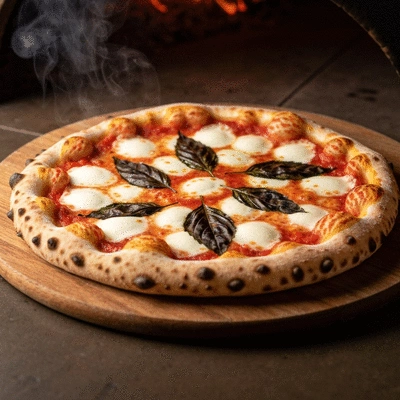
These variations illustrate how Margherita pizza continues to evolve while maintaining its core identity. At Casa Fatto, we celebrate this diversity by offering classic recipes alongside innovative options, inviting our customers to explore the world of pizza like never before!
The Role of Artisan Pizza in Culinary Tourism
Culinary tourism has skyrocketed in recent years, with artisan pizza playing a pivotal role in this trend. Travelers flock to Italy to experience authentic flavors, often seeking out local pizzerias that deliver a taste of tradition. Artisan pizza acts as a gateway to understanding regional Italian dishes, making each bite an adventure. Key elements contributing to its appeal include:
- Hands-on pizza-making experiences that invite visitors to learn about the craft
- Local ingredients that reflect the terroir of the region
- Historic pizzerias that tell stories of their culinary heritage
At Casa Fatto, we embrace this cultural exchange, welcoming guests who are eager to dive into the heart of Italian cuisine. Our passion for artisan pizza not only brings people together but also enhances their culinary journeys through memorable dining experiences.
Your Invitation to Experience the Classic Margherita Pizza
Try Your Hand at Making Margherita Pizza at Home
Ready to bring a taste of Italy to your kitchen? I encourage you to experiment with our Margherita pizza recipe and share your creations with us! Whether you’re a seasoned cook or a beginner, making pizza at home is a fun and rewarding experience. Don’t forget to check out our printable recipe card for convenience!
Visit Authentic Pizzerias for a Taste of Tradition
If you’re craving the authentic experience, I highly recommend visiting renowned pizzerias like Pizzeria Brandi in Naples. Here, you can savor the real Margherita pizza and appreciate the rich traditions behind it. It’s an adventure worth taking, and who knows? You might discover your new favorite pizza spot! At Casa Fatto, we’re always here to guide you on your culinary journey—let’s celebrate the love for pizza together!
Frequently Asked Questions About Margherita Pizza
What are the key ingredients of a traditional Margherita Pizza?
A traditional Margherita Pizza features simple yet high-quality ingredients: San Marzano tomatoes for the sauce, fresh mozzarella cheese (often buffalo mozzarella), fresh basil leaves, olive oil, and salt. These ingredients are chosen to represent the colors of the Italian flag: red, white, and green.
Is the story of Queen Margherita and the pizza true?
While the legend of pizzaiolo Raffaele Esposito creating the Margherita Pizza for Queen Margherita of Savoy in 1889 is widely popularized and charming, some historians debate its complete accuracy. Variations of pizza with similar ingredients existed before this event. However, the story remains a beloved part of the pizza's history and cultural narrative.
Why is Neapolitan pizza recognized by UNESCO?
In 2017, UNESCO recognized the "Art of Neapolitan Pizzaiuolo" as an intangible cultural heritage. This recognition highlights the traditional artisanal methods, skills, and cultural significance involved in making Neapolitan pizza, emphasizing its deep roots in Italian culture and the importance of preserving these passed-down techniques.
How has Margherita Pizza influenced global cuisine?
Margherita Pizza has profoundly influenced global cuisine by serving as the foundation for countless pizza variations worldwide. Its simple yet perfect combination of flavors and toppings has inspired different regional styles, from New York-style to Chicago deep-dish, showcasing how a classic dish can evolve while retaining its core identity. It has also boosted culinary tourism, with many travelers seeking authentic Italian pizza experiences.
What is the difference between Neapolitan and Roman pizza?
Neapolitan pizza, like the Margherita, traditionally has a soft, airy, and chewy crust with a puffy edge (cornicione), cooked rapidly in a very hot wood-fired oven. Roman pizza, on the other hand, typically has a thinner, crispier crust. To learn more about these distinctions, explore the differences between Neapolitan and Roman pizza.
Recap of Key Points
Here is a quick recap of the important points discussed in the article:
- Margherita Pizza originated in Naples, celebrating simplicity with fresh ingredients like tomatoes, mozzarella, and basil.
- The royal connection of Margherita Pizza to Queen Margherita of Savoy adds a charming historical context to the dish.
- UNESCO recognized Neapolitan pizza as an intangible cultural heritage, highlighting its artisanal methods and cultural significance.
- Global variations of Margherita Pizza showcase how the dish has evolved while maintaining its core identity.
- Culinary tourism thrives around artisan pizza, inviting travelers to experience authentic Italian flavors.