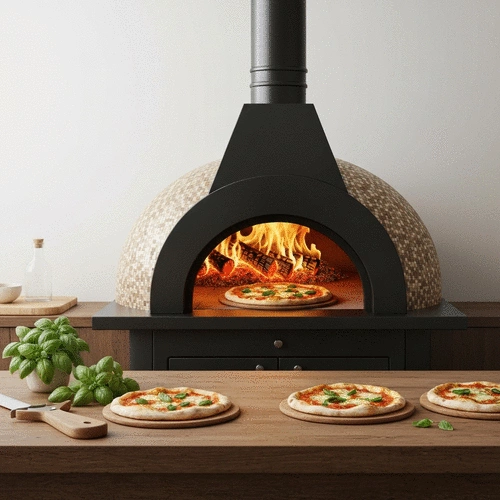
What if the secret to the perfect pizza is not just the ingredients, but the way it’s cooked? Understanding wood-fired ovens can transform your culinary experience and elevate every bite to something extraordinary.
What You Will Learn
- Heat transfer in wood-fired ovens occurs through conduction, convection, and radiation, each contributing to the unique pizza experience.
- The dome shape of a wood-fired oven is essential for heat retention, resulting in consistent cooking temperatures.
- Using high-quality refractory materials and insulation significantly enhances the oven's cooking performance and longevity.
- Proper flue and chimney design is crucial for ventilation, enhancing the flavors while regulating temperature.
- High thermal mass in oven design ensures even heat distribution, eliminating cold spots for perfectly cooked pizzas.
- Investing in a wood-fired oven not only transforms the cooking process but also enhances community engagement and culinary creativity.
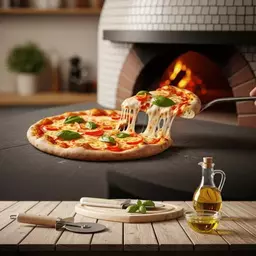
- Cooking with a wood-fired oven offers a sensory experience that combines visual appeal with the delightful aroma of smoky flavors.
The Science Behind Wood-Fired Ovens
Discover the core principles that make wood-fired cooking exceptional, from heat transfer to design elements. For those keen to delve deeper into the art of pizza making, exploring Neapolitan pizza: a culinary journey can provide valuable insights into traditional techniques.
Heat Transfer Methods
Key Design Elements
- ✓ Dome Shape: Retains heat & ensures consistency.
- ✓ Refractory Materials: Withstand high temps.
- ✓ Insulation: Traps heat inside.
- ✓ Flue & Chimney: Regulate airflow & smoke.
Impact on Efficiency
- ✓ Thermal Mass: Even heat distribution.
- ✓ Consistent Temperature: No cold spots.
- ✓ Authentic Flavor: Enhanced by wood smoke.
- ✓ Crispy Crust: Achieved through direct contact.
Understanding the Mechanics of Wood-Fired Ovens
At Casa Fatto, we believe that the heart of a great pizza lies in its cooking method, and that’s where our wood-fired oven comes into play! Understanding how these ovens work can truly elevate your pizza-making experience. Let’s dive into the mechanics of wood-fired ovens and discover what makes them so special.
How Heat Transfer Works in Wood-Fired Ovens
When it comes to wood-fired ovens, heat transfer is what makes everything tick. The three primary ways heat moves in these ovens are through conduction, convection, and radiation.
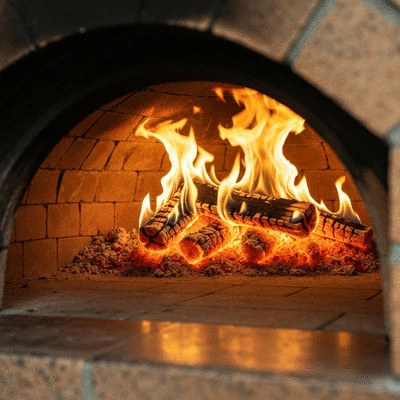
- Conduction: This is when heat transfers directly through materials. For instance, when the pizza dough touches the hot stone floor, it heats up quickly, creating that perfect crispy crust!
- Convection: As hot air circulates within the oven, it helps to cook the pizza evenly. This ensures that every bite is as delicious as the last.
- Radiation: This is when the flames and hot surfaces radiate heat directly. It’s especially noticeable when you open the oven door and feel the wave of warmth.
These methods work together to provide an efficient cooking environment, allowing our pizzas to achieve that authentic flavor and texture we all love!
Conduction, Convection, and Radiation Explained
To put it simply, conduction is your friend when aiming for a crispy crust, while convection ensures even cooking. Meanwhile, radiation gives your pizza that delightful char we all crave. It’s this perfect harmony that allows our wood-fired pizzas to sing! You can learn more about mastering wood-fired pizza techniques on our blog.
The Role of Dome Shape in Heat Retention
Did you know the shape of the oven plays a crucial role? The dome shape of a wood-fired oven is not just for looks. It helps to retain heat, allowing for a consistent cooking temperature. This means less time waiting for your pizza to cook and more time enjoying it!
Key Components of Wood-Fired Oven Design
When it comes to building a wood-fired oven, certain key components are essential. Each part plays a vital role in ensuring the oven operates efficiently and effectively, just as we do at Casa Fatto!
Essential Materials: Refractory Materials and Insulation
- Refractory Materials: These materials can withstand high temperatures without cracking. They form the oven floor and walls, making them crucial for heat retention.
- Insulation: Proper insulation keeps the heat trapped inside, allowing the oven to reach and maintain the desired cooking temperature.
Using high-quality materials not only enhances cooking performance but also extends the life of your oven, ensuring you can create delicious pizzas for years to come!
Understanding the Importance of the Flue and Chimney
The flue and chimney are essential for proper ventilation. They help to expel smoke and regulate airflow, which is crucial for maintaining the right temperature. A well-designed flue system ensures that the smoke doesn’t overpower the flavors of your pizza but instead enhances them!
The Impact of Oven Design on Cooking Efficiency
Oven design significantly affects cooking efficiency and can make all the difference in the final product. At Casa Fatto, we ensure our oven is designed for optimal performance, allowing us to craft pizzas that are truly exceptional!
How Thermal Mass Affects Heat Distribution
- Thermal Mass: The amount of material in the oven influences how well it retains and distributes heat. A well-constructed oven with high thermal mass evenly distributes heat, ensuring every pizza cooks perfectly.
- Heat Distribution: Proper distribution means no cold spots, resulting in a beautifully cooked pizza each and every time!
Understanding these design elements can help any pizza enthusiast appreciate the art of wood-fired cooking even more. Now you know why we’re so passionate about our oven at Casa Fatto—it's where the magic happens!
Pro Tip
To enhance your wood-fired pizza experience, consider using a mix of hardwoods like oak and cherry for your fire. This combination not only creates an intense heat but also infuses your pizza with a unique smoky flavor that elevates every bite!
Frequently Asked Questions About Wood-Fired Ovens
What are the three main types of heat transfer in a wood-fired oven?
The three main types of heat transfer are conduction (through direct contact with the hot stone floor), convection (circulating hot air), and radiation (from flames and hot surfaces).
Why is the dome shape important for a wood-fired oven?
The dome shape helps to retain and circulate heat more efficiently, ensuring a consistent cooking temperature and even baking of the pizza.
What role do refractory materials and insulation play?
Refractory materials are crucial for withstanding high temperatures and forming the oven's cooking surfaces, while insulation traps heat inside, allowing the oven to reach and maintain optimal temperatures.
How does the flue and chimney design affect cooking?
The flue and chimney are essential for proper ventilation, expelling smoke, and regulating airflow. This helps maintain the correct temperature and enhances the smoky flavor of the food without overwhelming it.
What is thermal mass and why is it important in oven design?
Thermal mass refers to the amount of material in the oven that can absorb and store heat. High thermal mass ensures even heat distribution throughout the oven, preventing cold spots and leading to perfectly cooked pizzas.
Summarizing the Advantages of Wood-Fired Cooking
At Casa Fatto, we believe that investing in a wood-fired oven transforms not just the way you cook, but the flavors of the food you create! The unique qualities of wood-fired cooking yield an exceptional pizza experience that is hard to replicate with other methods. If you're considering whether to bring this artisan cooking technique into your home or business, let’s explore the advantages together!
Why Invest in a Wood-Fired Oven? Understanding the Value
The appeal of a wood-fired oven goes beyond just aesthetic charm; it’s about the authentic Italian flavors it brings to your dishes. Here’s why you might want to take the plunge:
- Enhanced Flavor: The smokiness from burning wood adds a unique depth to your pizzas and other dishes.
- High Cooking Temperatures: These ovens can reach temperatures of up to 800°F, resulting in perfectly cooked pizzas with that sought-after char.
- Versatility: Beyond pizza, you can roast vegetables, bake bread, and even cook meats to perfection.
- Community Engagement: Hosting gatherings around a wood-fired oven creates an inviting atmosphere that brings people together.
Investing in a wood-fired oven is like investing in a culinary tradition; it provides an opportunity to enhance not just your cooking skills, but also your gatherings with family and friends!
Enhanced Culinary Experience: What to Expect
When you step into the world of wood-fired cooking, you're not just learning to make pizza; you're embracing a culinary adventure! The experience of cooking in a wood-fired oven is unlike anything else. Here’s what you can look forward to:
- Visual Appeal: Watching the flames dance and the pizza bubble is mesmerizing—it's a treat for the senses!
- Community Building: Cooking becomes a communal activity, where everyone can join in to create their favorite toppings or simply enjoy the ambiance.
- Experimentation: With high temperatures and unique flavor profiles, you’ll find yourself experimenting with various toppings and techniques.

Every meal becomes a celebration, and every pizza a canvas for creativity. Imagine gathering around a table, sharing stories and laughter, as the aroma of freshly baked pizza fills the air. That’s the magic of wood-fired cooking!
Next Steps: Embracing Wood-Fired Cooking
Exploring Your Options: Build vs. Buy a Wood-Fired Oven
Now that you've seen the benefits, it’s time to consider how to bring a wood-fired oven into your life! You have two main routes: building your own or purchasing a ready-made oven. Each option has its merits, depending on your needs and skills.
Get Started with Recipes and Techniques for Artisan Pizza
Ready to dive in? Here are a couple of foundational elements to get you started:
Crafting the Perfect Pizza Dough for Wood-Fired Cooking
The essence of a great pizza starts with the dough. Here’s a simple guideline to follow:
- Use high-protein flour for better gluten structure.
- Incorporate a slow fermentation process for enhanced flavor.
- Ensure your dough is well-hydrated for a crispy crust.
As I always say, the dough is the heart of your pizza, and taking time to perfect it will be worth every bite! For more detailed instructions, check out our guide on crafting authentic Italian pizza dough.
Essential Pizza Toppings for an Artisan Experience
Once your dough is ready, it’s time to think about toppings! Here are some classic and innovative ideas:
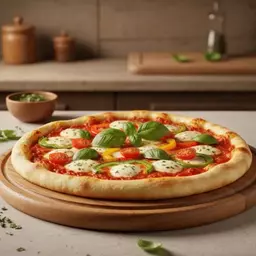
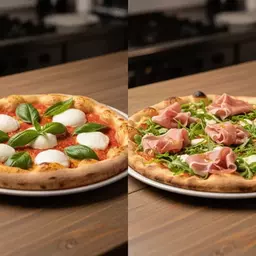
- Margherita: Fresh mozzarella, tomatoes, and basil—simple yet classic.
- Prosciutto and Arugula: A delightful combination that balances saltiness with peppery greens.
- Seasonal Vegetables: Roasted bell peppers, zucchini, and mushrooms for a vegetarian delight.
Don’t forget to experiment! At Casa Fatto, we love playing with flavors, so feel free to let your creativity shine.
Participating in Pizza Festivals and Workshops
Engaging with the community through pizza festivals or workshops can elevate your skills and broaden your perspective on wood-fired cooking. It's a fantastic way to learn, share experiences, and celebrate the love of pizza!
Leveraging Culinary Trends for Outdoor Cooking
As outdoor cooking gains popularity, why not embrace the trend? It’s a chance to showcase your skills while enjoying the great outdoors with friends and family. Remember, every pizza you make is a story waiting to be told!
Recap of Key Points
Here is a quick recap of the important points discussed in the article:
- Heat Transfer Methods: Understand the roles of conduction, convection, and radiation in achieving perfect pizza cooking.
- Dome Shape Importance: A dome-shaped oven retains heat effectively, ensuring consistent cooking temperatures.
- Key Components: Utilize refractory materials and proper insulation for optimal heat retention and cooking performance.
- Flue and Chimney Design: Proper ventilation is essential for temperature regulation and flavor enhancement.
- Investing in a Wood-Fired Oven: Experience enhanced flavors, high cooking temperatures, and versatility beyond just pizza.
- Culinary Experience: Embrace community cooking and experimentation with unique toppings and techniques.